A flat painted wall is the single most common reason an otherwise well-designed room reads as unfinished. 3D wall panels in Dubai have become the fastest way to fix that — they add real, physical texture and depth to a wall without the structural work a feature wall in stone or brick would require.
This guide covers what 3D wall panels actually are, the design styles worth considering, how to choose between wood, acoustic, MDF, and other materials, and where the cost actually goes.
What Are 3D Wall Panels?
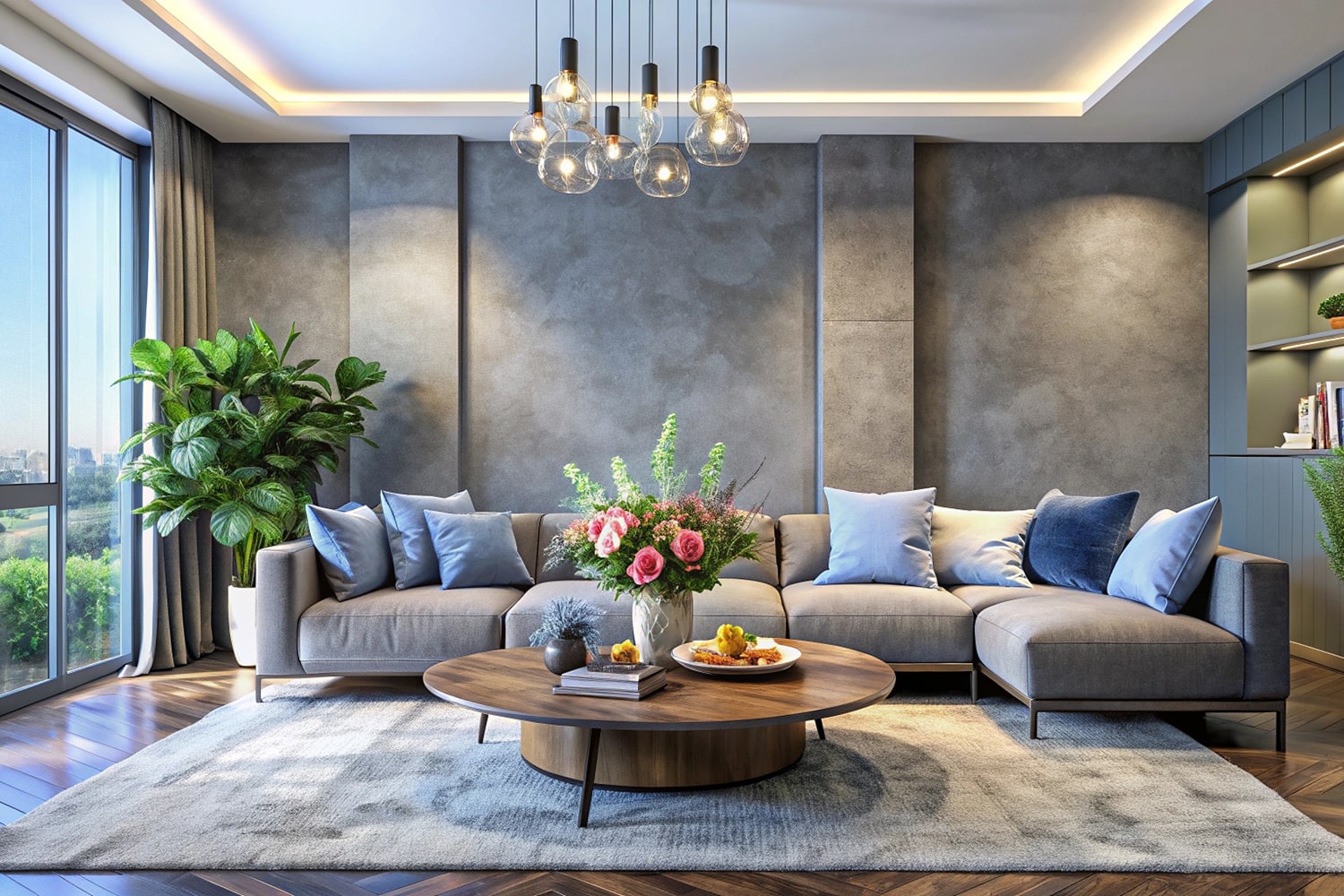
3D wall panels are pre-fabricated decorative panels — cut, moulded, or textured to create a raised geometric or organic pattern — installed directly onto a wall surface to add visual depth without structural alteration.
Unlike wallpaper or paint, which are flat, 3D panels rely on actual relief: raised ridges, fluting, or geometric facets that catch light differently across the surface. That’s what gives them the “designer feature wall” look rather than a printed pattern imitating one.
Most 3D panels are also functional beyond decoration — several materials used for 3D panelling (see the acoustic section below) double as sound treatment, and panels in general are effective at concealing uneven or damaged wall surfaces that would otherwise need re-plastering.
Wall Panel Design Dubai: Styles & Patterns Worth Considering
Wall panel design in Dubai interiors tends to fall into a few recognizable categories, and the right one depends more on the room’s existing style than personal preference alone:
- Geometric raised patterns — hexagons, chevrons, or linear ridges. Reads as modern/contemporary; works well as a single feature wall against otherwise minimal surroundings.
- Fluted / linear panels — vertical or horizontal grooves, often in wood or MDF. Currently the most requested style for both residential and hospitality projects because it reads as warm rather than stark.
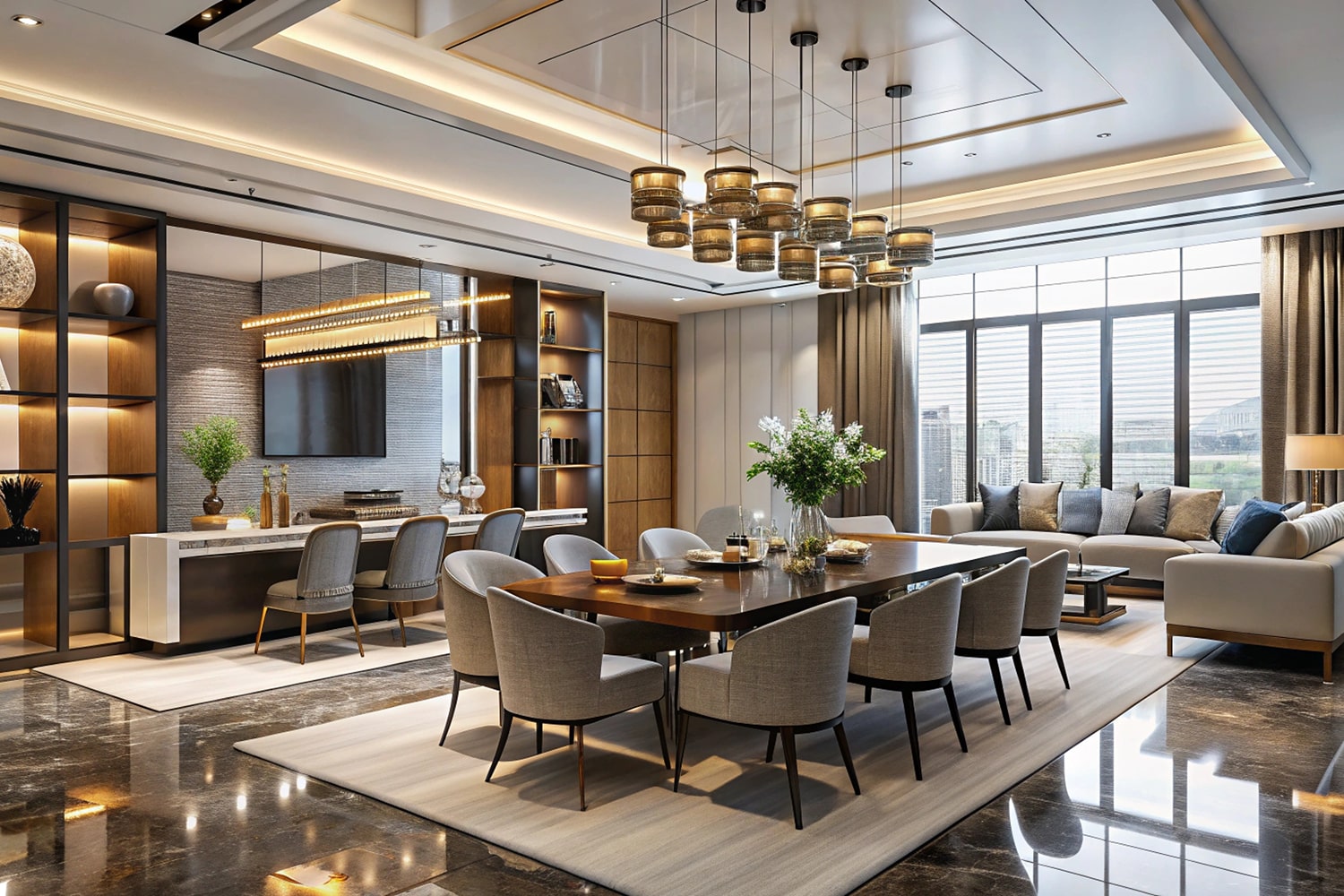
- LED-integrated panels — panels with concealed or channel-mounted LED strips, used to accent the texture at night. Common in feature walls behind TV units, bar counters, and hotel receptions.
- Organic/textured panels — irregular, sculptural surfaces. Less common, used where the wall itself is meant to be the room’s focal art piece.
The style decision should come before the material decision — a geometric pattern in the wrong material (or a fluted pattern that’s too subtle for the lighting in the room) is a more common design mistake than picking the “wrong” material outright.
Material Guide: Choosing the Right 3D Wall Panel Type
This is where most of the real decision-making happens, and it’s also where “3D wall panels” as a category splits into several genuinely different products.
Wooden Wall Panels (Dubai)
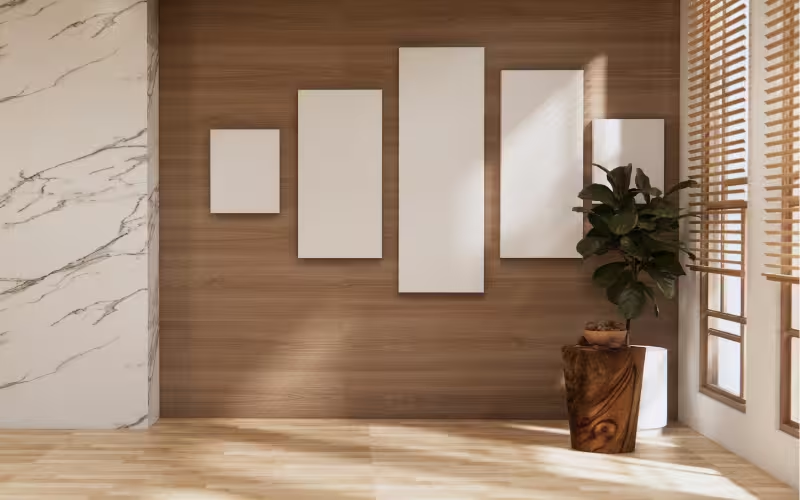
Wood remains the most requested material for wooden wall panels in Dubai interiors — it reads warm, ages well, and works in both residential feature walls and hospitality/F&B fit-outs. The practical consideration specific to the Dubai climate is moisture and humidity stability: solid timber can move seasonally in a way engineered wood veneer doesn’t, so most fit-out specifications lean toward engineered timber panels over solid wood for that reason, particularly in bathrooms, kitchens, or any space near external glazing with heat gain.
Acoustic Wall Panels (Dubai)
Acoustic wall panels in Dubai solve a different problem than the decorative panels above: sound. Open-plan apartments, offices, and restaurants with hard flooring and high ceilings often have a reverberation problem long before anyone notices it’s a wall panel that would fix it. Acoustic panels are typically fabric-wrapped or perforated-timber panels backed with sound-absorbing core material, and they’re specified by measured need (reverberation time, room volume) rather than by style preference alone — a genuinely useful acoustic panel project usually starts with identifying *where* sound is bouncing, not just where a feature wall would look good.
The double benefit worth knowing: many acoustic panel ranges are available in the same fluted and geometric finishes covered above, so acoustic performance and the 3D design look aren’t mutually exclusive.
MDF & Fluted Panels
The most cost-efficient route to the fluted look above — MDF panels are pre-routed or CNC-cut to the pattern and finished with veneer, paint, or laminate. A practical middle ground between solid wood cost and a fully custom millwork panel.
Marble & Stainless Steel Panels
At the premium end, 3D texture is achieved in solid material rather than an applied panel — CNC-textured marble or brushed/textured stainless steel, generally reserved for hotel lobbies, high-end retail, and feature walls where the material itself, not just the pattern, is part of the brief.
Where 3D Wall Panels Work Best
Residential: living room feature walls (especially behind a TV unit or sofa), bedroom headboards, entrance/foyer walls, and villa staircases.
Commercial: hotel and restaurant feature walls, retail fitting rooms and entrances, salon and spa reception areas, and office breakout/meeting spaces where acoustic panels do double duty as both design and sound treatment.
3D Wall Panels vs. Wallpaper vs. Paint
| Paint | Wallpaper | 3D Wall Panels |
Visual depth | None (flat) | Printed illusion only | Real, physical relief |
Durability | Lowest — scuffs, fades | Moderate — seams, moisture-sensitive | Highest of the three |
Conceals wall imperfections | No | Partially | Yes |
Acoustic benefit | None | None | Yes (specific material ranges) |
Typical lifespan before refresh | 2–4 years | 5–7 years | 10+ years |
Upfront cost | Lowest | Mid | Highest |
The honest takeaway: paint and wallpaper are the right call for a room that might be redecorated again soon. 3D panels are a longer-term investment that make sense where the wall is a genuine architectural feature, not a background surface.
Installation: What to Expect
A properly run 3D panel installation follows a consistent sequence regardless of material: site inspection to confirm the wall is flat and dry enough for direct mounting (or needs a backing/batten layer first), design and material confirmation, fabrication or ordering, then installation and a final joint/finish check. The site inspection step matters more than it sounds — installing panels directly onto an uneven or damp wall is the single most common cause of panels failing to sit flush or, in wood, warping after installation.
Maintenance & Durability
Most finished 3D panels — laminate, painted MDF, treated wood veneer — need only routine dusting and occasional wipe-down with a dry or lightly damp cloth. Solid wood and fabric-wrapped acoustic panels are the two material types that need more specific care instructions (UV exposure for wood; spot-cleaning method for fabric), so confirm the care requirement for your specific material at the point of selection, not after installation.
What Drives Cost
- Material — MDF/laminate is the most cost-efficient route to the look; solid wood, acoustic-rated panels, and stone/steel sit progressively higher.
- Panel complexity — a simple linear flute costs less to fabricate than a bespoke geometric or organic pattern.
- Wall preparation — an uneven or damp wall requiring remedial work before installation adds cost beyond the panels themselves.
- LED integration — adds both material and electrical work cost.
- Coverage area — a single feature wall vs. full-room panelling scales cost linearly but also affects per-unit fabrication efficiency.
FAQs
Are 3D wall panels suitable for humid rooms like bathrooms?
Some are, but material choice matters more here than anywhere else — engineered/moisture-treated panels or non-wood materials (marble, certain laminates) are the safer choice over solid wood or fabric-wrapped acoustic panels in high-humidity rooms.
Do 3D wall panels actually reduce noise, or is that only acoustic panels specifically?
Standard decorative 3D panels (MDF, laminate, most wood veneer) offer negligible acoustic benefit — the noise reduction is a feature of acoustic-rated panels specifically, which use a sound-absorbing core. If noise is the actual problem you’re solving, specify acoustic panels rather than assuming any textured panel will help.
Can 3D wall panels be installed over an existing wallpapered or painted wall?
Generally yes over painted walls if the surface is sound and flat; wallpaper usually needs to be removed first since panels won’t adhere reliably to it and it can trap moisture behind the installation.
How long does a typical feature-wall installation take?
Depends on panel material, coverage area, and whether wall preparation is needed — ask for a project-specific timeline rather than a general estimate once your design and material are confirmed.
Considering a feature wall or full-room panelling? [Get a quote] or message us on WhatsApp with your room dimensions and the look you’re going for.